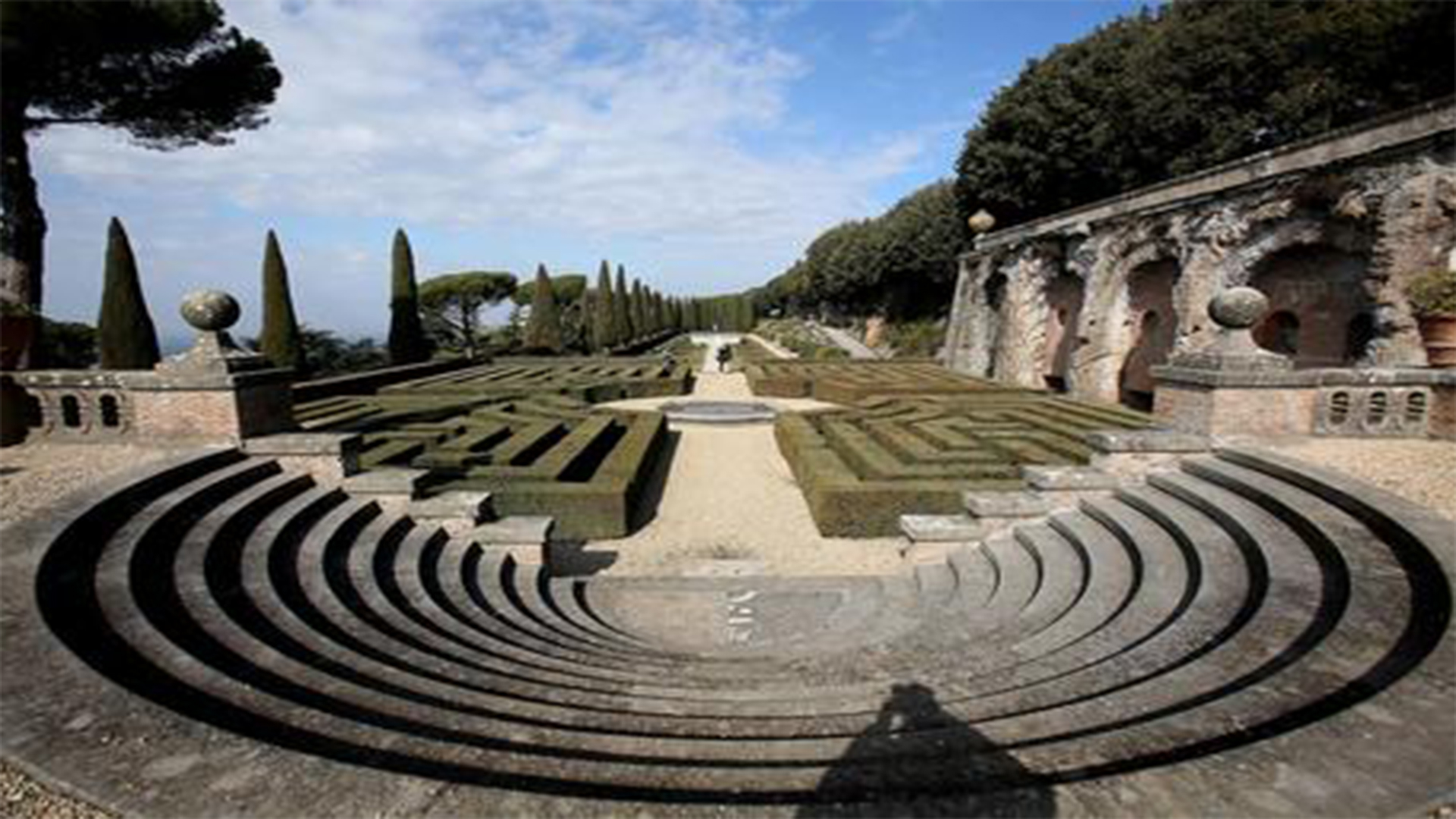
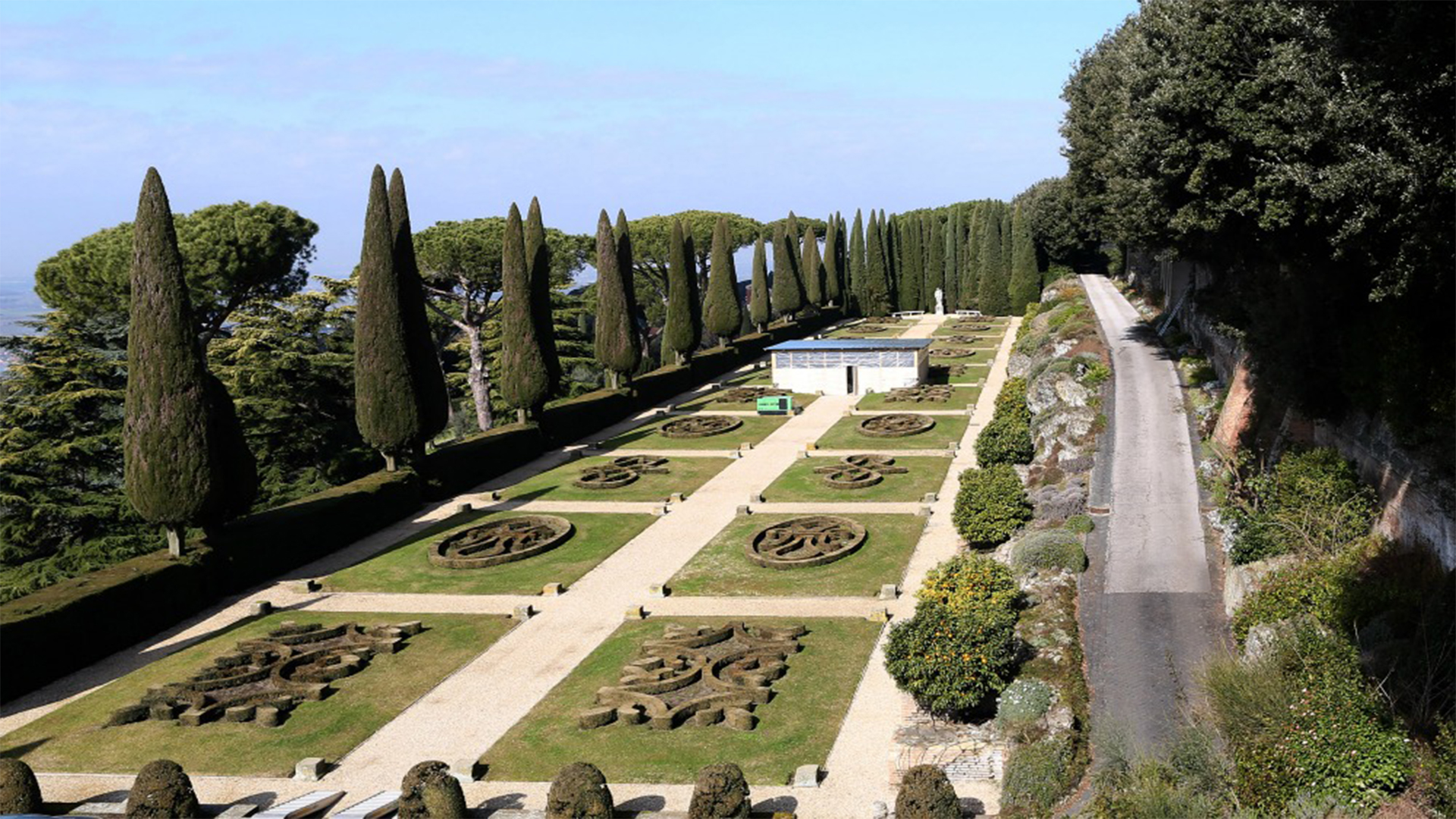
The first center was built on the ruins of Alba Longa, a pre-Roman city founded by Ascanio, son of Aeneas.
Archaeological evidence is present in the vicinity of Castel Gandolfo, including the remains of Domitian’s villa and late-republican and imperial buildings.
The village owes its name to the powerful Lombard family of the Gandolfi family, who controlled the territory in the 12th century.
Later it was elevated to Ducato in favor of Bernardino Savelli, until in 1596 it was seized by insolvency and from 1604 it was included in the inalienable possessions of the Holy See.
Today the center is a charming medieval village, inserted within the Regional Park of the Castelli Romani and is known for being the papal summer residence.
Titus Flavius Domitian (51-96 AD) had a large villa with grounds built on the Alban Hills by Gaius Rabirius, the famous builder of the Palatine Hill.
The enormous villa covered an area of 14 square kilometers, approximately 55 hectares, with the residential area corresponding to the town of Castel Gandolfo today.
The villa, divided into three large terraces of about 500 m, was flanked by smaller buildings that descended on one side towards the shores of Lake Albano and on the other towards the ancient Via Appia.
The first site you encounter when descending from Castel Gandolfo towards the lake is the Doric Nymphaeum, located in a higher position than the other monuments, which are lapped by Lake Albano. Originally incorporated into the extensive Domitian residence, which stretched around the lake, today the nymphaeum appears isolated and perfectly preserved in all its beauty and majesty.
Better known as the Baths of Diana, the Bergantino Nymphaeum is located on the western shore of Lake Albano, about halfway between the Doric Nymphaeum and the lake’s outlet.
Like the Doric Nymphaeum, it also faces Monte Cavo (the ancient mons Albanus).
Probably originating from a pre-existing pozzolana quarry, it has a rather irregular shape.
Incorporated in the 1st century AD into Domitian’s vast imperial villa, the Bergantino was rediscovered in the mid-19th century during clandestine excavations.